What it’s really like to trek the Manaslu Circuit
If you’re looking at the Manaslu Circuit, you’ve probably already realised one thing. It’s not the most obvious choice.
That’s part of the appeal.
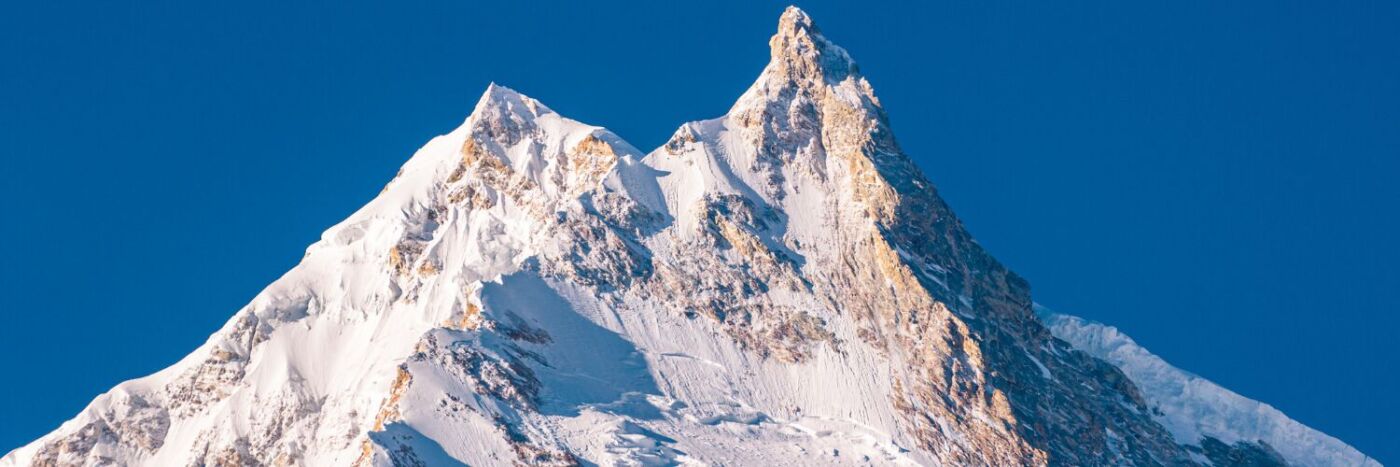
Less travelled than Everest Base Camp or Annapurna, the Manaslu Circuit offers a more remote and varied trekking experience, circling the world’s eighth highest mountain, Mount Manaslu at 8,163 metres. For many trekkers, it is also becoming a strong alternative to the Annapurna Circuit, once considered one of the world’s greatest trekking routes, but now changed significantly by road development along large sections of the trail.
Here, the sense of wilderness still feels intact.
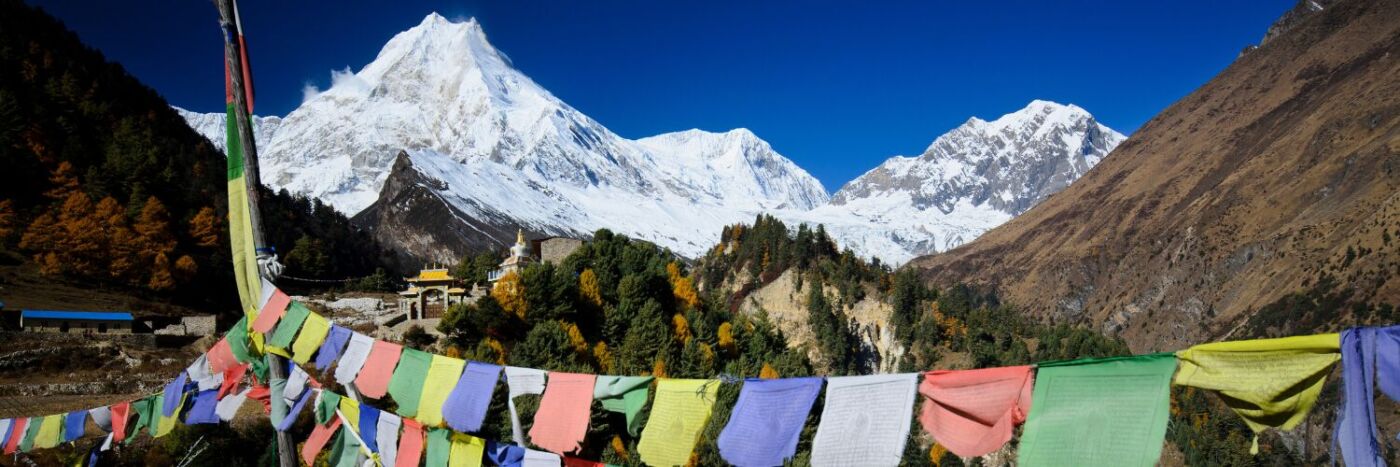
It is a route that combines physical challenge, cultural depth and a real sense of progression as you move through changing landscapes over nearly two weeks. From subtropical valleys and terraced farmland to high mountain passes, glacial rivers and remote Tibetan influenced villages, every few days the landscape feels like a different world.
You are not simply walking to a viewpoint and turning around. You are travelling through a living Himalayan region, following ancient trade routes and gradually earning every step.
Here’s what it’s actually like.
A journey that builds, day by day
A journey that builds, day by day
The Manaslu Circuit is not a single big push. It’s a gradual journey.
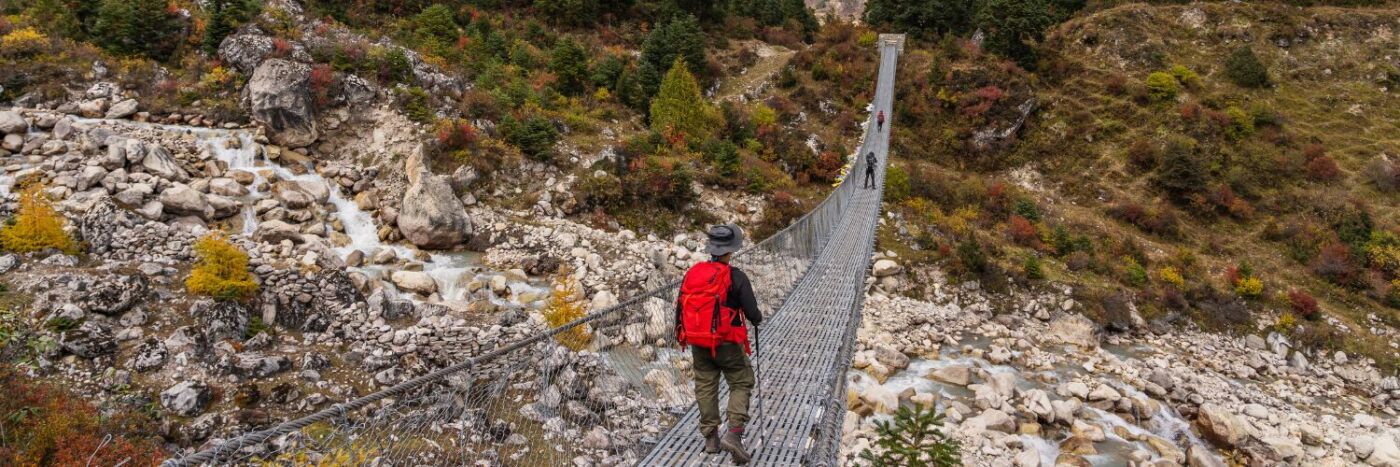
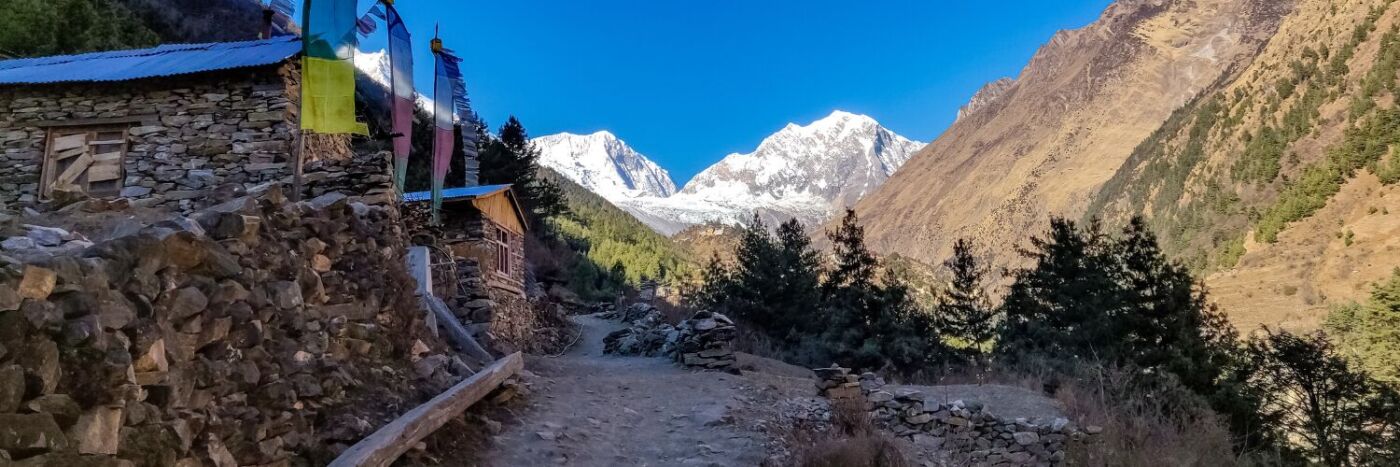
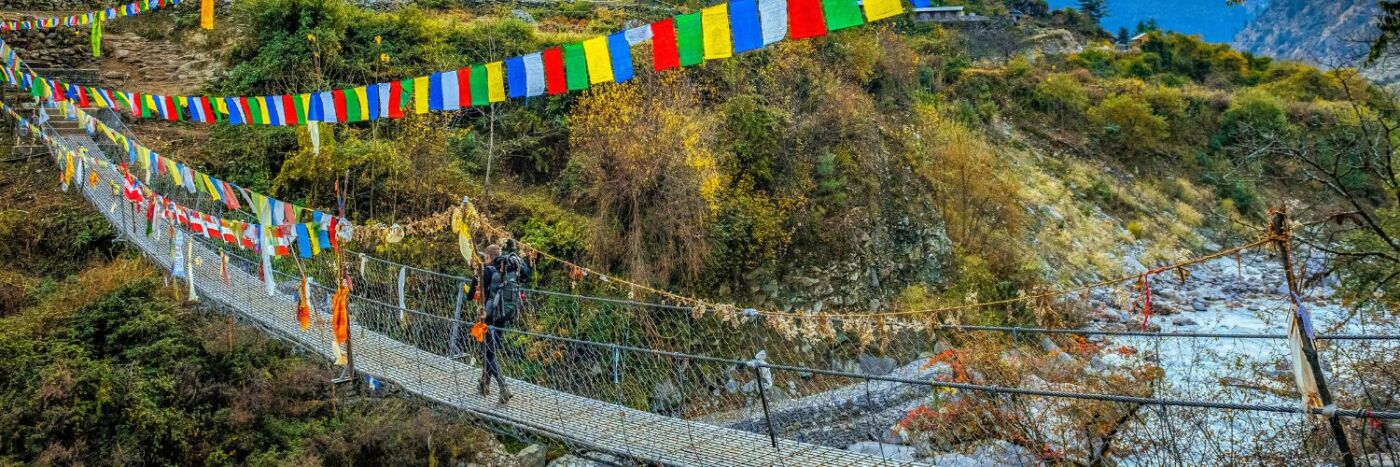
You start low, around 700 to 900 metres, following the Budhi Gandaki River through warm, subtropical valleys. The early days are humid, green and busy with life. Rice terraces, waterfalls, suspension bridges and villages where daily routines continue as they have for generations.
As the days go on, the environment shifts. Forests thin out, temperatures drop, and the landscape opens. By the time you reach the upper valleys, you’re in a completely different world. Alpine terrain, snow capped peaks and a quieter, more expansive feel.
That transition is one of the defining features of the trek. You do not just arrive in the mountains. You move through them, layer by layer.
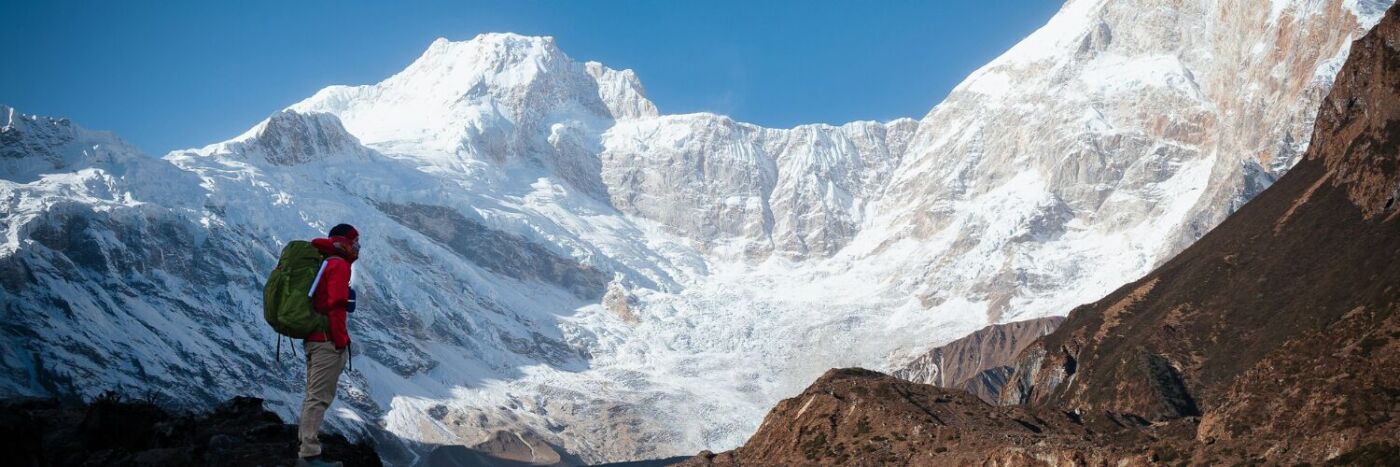
One of the standout moments comes around Samagaon, where many trekkers choose to make a detour to Birendra Lake, the Manaslu Glacier and Manaslu Base Camp at around 4,800 metres before continuing on to Samdo.
It adds around five extra hours of trekking, but it gives you something special. Standing beneath the immense face of Manaslu, surrounded by glacier, moraine and icefall, the scale of the mountain becomes very real. Birendra Lake, with its striking turquoise water fed directly by the glacier, offers a quieter contrast before the trail climbs higher into the stark alpine landscape.
If you prefer a shorter day, you can continue directly to Samdo in around three hours, but for many, the base camp detour becomes one of the most memorable parts of the entire circuit.
It’s physically demanding, but manageable
This is a proper trek.
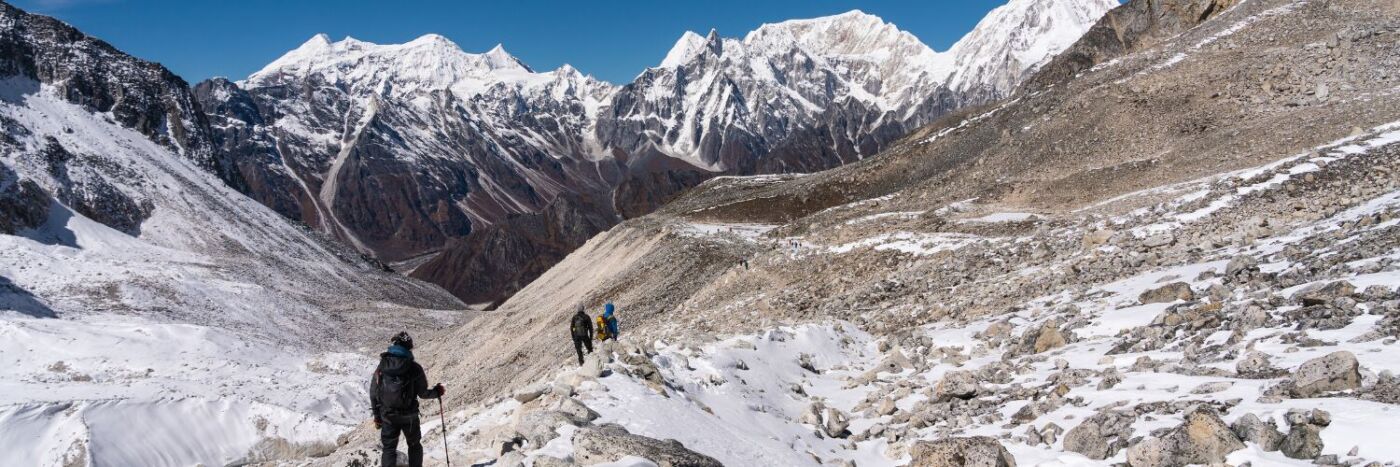
You’re walking for 6 to 8 hours most days, often on uneven terrain, with long ascents and descents. There are stone steps, narrow trails, and sections where concentration is needed, particularly after rain or in higher, more exposed areas.
The highest point is Larkya La Pass at 5,106 metres. This is the most challenging day of the trek, both physically and mentally. It’s a long, steady climb at altitude, starting early in the morning to take advantage of stable weather conditions.
That said, you don’t need to be an elite athlete. With a good level of fitness, preparation and the right pace, it’s achievable. The itinerary is designed to allow for acclimatisation, with rest days and gradual altitude gain built in. Plus we provide a Training Guide to help with your preparations.
Altitude is real, and it matters
One of the biggest differences between Manaslu and lower altitude treks is the effect of altitude.
Above 3,000 metres, your body starts to feel it. Breathlessness increases, recovery takes longer, and sleep can be disrupted. By the time you’re approaching the pass, everything feels slower.
Acclimatisation is key. A well-paced itinerary, hydration, nutrition and listening to your body all play an important role. Symptoms of altitude sickness can include headaches, nausea and fatigue, and these need to be taken seriously.
With the right support and awareness, most trekkers adapt well. But it’s not something to underestimate.
Remote, but not isolated
The Manaslu Circuit is classified as a restricted area by the Nepalese government. This means you must trek with a registered guide and the trek must be organised through a registered local trekking agency. Previously, a minimum of 2 trekkers was required to obtain a restricted area permit, however, recent changes now allow solo trekkers to receive a permit, provided they are accompanied by a registered guide and the entire trek is arranged through a licensed local operator.
Facilities along the route are basic but functional. You stay in tea houses, simple lodges run by local families. Rooms are usually twin share, with shared bathroom facilities. Heating is typically limited to communal dining areas, often centred around a stove.
Meals are hearty and designed to fuel long days on the trail. Dal bhat, a traditional Nepali dish of rice, lentils and vegetables, is a staple, along with noodles, soups and simple western options.
Connectivity is limited. Mobile signal and WiFi are intermittent at best, particularly in the higher sections. For many, that’s part of the experience.
Cultural depth without the crowds
One of the most distinctive aspects of the Manaslu Circuit is the cultural transition as you gain altitude.
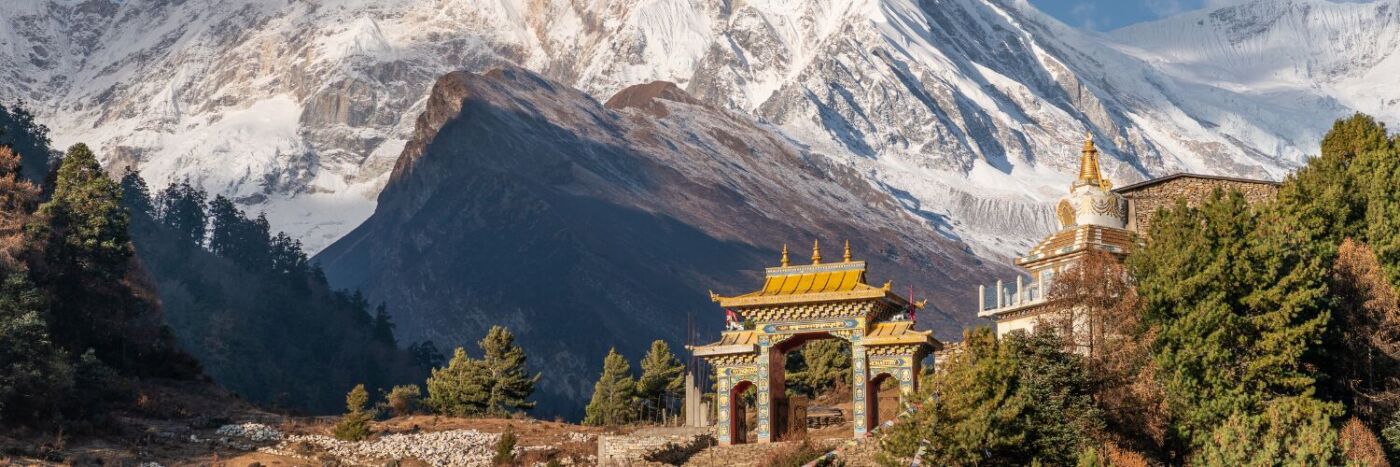
Lower down, the communities are predominantly Hindu. As you move higher, Tibetan Buddhist influence becomes more prominent. You’ll pass mani walls, chortens, prayer flags and monasteries, particularly in villages like Samagaon and Samdo.
Because the route sees fewer trekkers than more established regions, interactions tend to feel more natural. You’re sharing space with local life rather than moving through a heavily touristed environment.
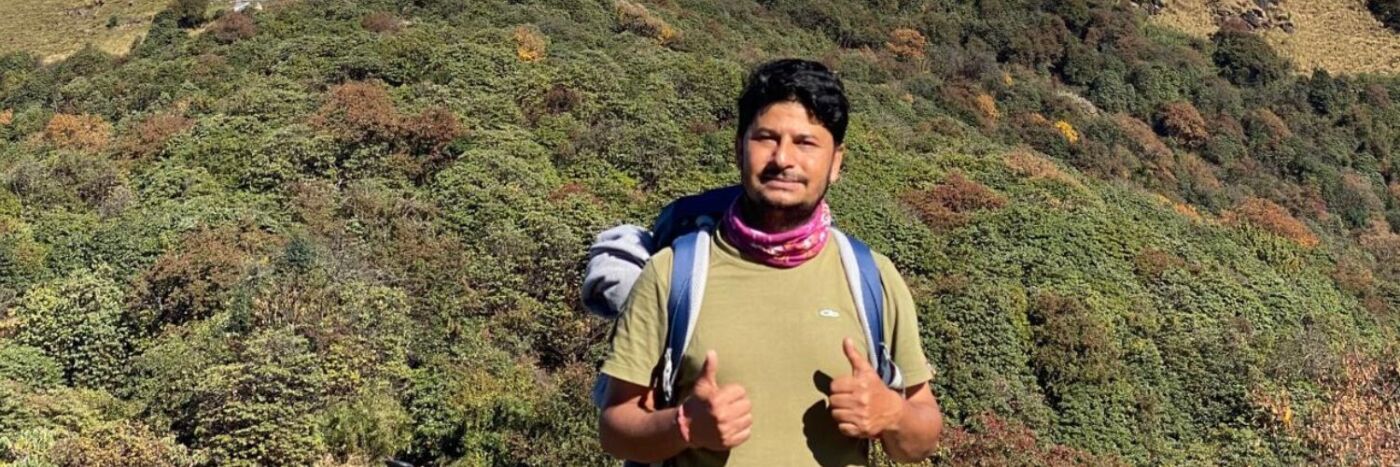
As Shiva Basnet, one of our trusted local guides, explains:
“I’ve been working as a trekking guide for about 12 years now, and I’ve led groups through the Manaslu region nearly 25 times. Yet somehow, it never feels like enough. Every journey there feels just as fresh and meaningful as the first.
Guiding in Manaslu doesn’t feel like work to me. It feels like returning to a place I truly connect with. Of course, the landscapes and mountains are spectacular, just as they are across many Himalayan treks in Nepal. But what sets Manaslu apart for me is its soul. It still carries that rare, uncommercial charm. Remote enough to feel untouched, yet accessible enough to experience comfortably.
What I love most is the warmth of the people and the villages along the way. There’s a genuine sense of welcome that you don’t always find elsewhere. It’s this combination, the raw beauty, the quiet trails, and the heartfelt human connection, that keeps drawing me back, time and time again.”
The crossing of Pass
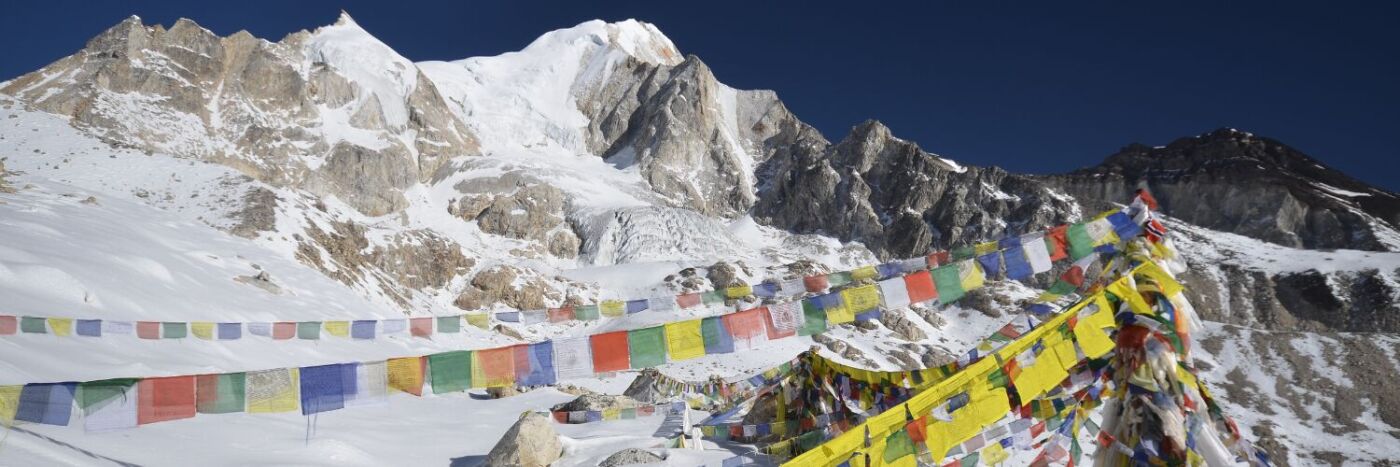
The crossing of Larkya La is the high point of the trek, both literally and figuratively.
It’s an early start. Often before dawn. Layers on, headtorch ready, and a steady pace from the outset.
The climb is long but consistent. As you gain height, the views open up. Surrounding peaks, glaciers and the vastness of the landscape become more apparent.
Reaching the top at 5,106 metres is a significant moment. Not just because of the altitude, but because of what it represents. Days of effort, adjustment and progression coming together.
The descent is equally important. It’s long and requires care, particularly on tired legs. But as you drop altitude, the air thickens, breathing eases and the sense of achievement settles in.
A different kind of reward
This is not a trek of constant highlights.
It’s a trek of gradual change, quiet moments and cumulative effort.
There are big views, certainly. But there are also long stretches where the experience is more about rhythm. Walking, eating, resting, repeating.
And that’s where it often leaves the biggest impression.
As one of our local friends, Nirajan, who has trekked through Everest, Annapurna and Langtang, put it:
“Having trekked through some of Nepal’s most popular regions, Everest, Annapurna, and Langtang, I’ve had many great experiences along the way. Each of them has its own beauty and charm. But when I did the Manaslu trek, something felt different.
There was a deeper, almost spiritual connection that I didn’t expect. The experience felt more raw, more adventurous, less polished and closer to the true essence of the Himalayas. The villages, too, felt more genuine, with a quiet authenticity that’s becoming harder to find on more established routes.
Manaslu didn’t just impress me. It stayed with me.”
Why people choose Manaslu
For many, the decision comes down to one thing. Space.
Fewer trekkers. Quieter trails. A stronger sense of journey.
It’s also a route that appeals to those looking for something more involved. Not just physically, but mentally. You’re committing to a longer, more immersive experience.
Is it right for you?
The Manaslu Circuit is a good fit if you:
- Have a solid base level of fitness and are prepared to train
- Are comfortable with multiple days of sustained walking
- Are open to basic accommodation and limited connectivity
- Want a quieter, more remote trekking experience
- Are interested in both the physical challenge and the cultural context
It may not be the right choice if you’re looking for:
- Shorter trekking durations
- Higher levels of comfort
- A more social, high-traffic route
Final thoughts
The Manaslu Circuit doesn’t try to compete with the more well-known treks in Nepal.
It offers something different.
A longer, quieter, more progressive journey through a diverse landscape, with a clear physical goal and a strong sense of place.
For those willing to commit to it, it’s a route that stays with you.
If you’re considering taking it on, you can find full details of our Manaslu Circuit Trek here:
https://www.adventurousewe.co.uk/trip/manaslu-circuit-nepal/