
How to Choose the Right Bike Helmet: Fit, Safety and Comfort Explained
Whether you’re cycling quiet country lanes in Vietnam, tackling gravel tracks in Costa Rica or training for your next charity challenge, your helmet is one piece of kit that should never be an afterthought.
A well-fitting helmet doesn’t just make your ride more comfortable. It helps protect you if the unexpected happens, keeps you cooler on long days in the saddle and gives you one less thing to think about while you enjoy the journey.
With so many styles, technologies and price points available, choosing the right helmet can feel surprisingly complicated. The good news is that it doesn’t have to be.
This guide explains what really matters when choosing a cycling helmet, how to achieve the correct fit and which safety features are worth looking for before your next adventure.

Why your bike helmet matters
No helmet can prevent every injury, but wearing one significantly reduces the risk of serious head injuries in the event of a fall or collision.
Whether you’re riding on tarmac, gravel, forest tracks or mountain roads, the chances of an unexpected slip are always there. Loose stones, potholes, wet roads, wildlife or simply another cyclist stopping suddenly can all lead to an accident.
A helmet is designed to absorb impact energy, helping to reduce the force transferred to your head.
Just as importantly, a comfortable helmet encourages you to wear it every time you ride.

Start with safety certification
Before thinking about colours, ventilation or aerodynamics, check that your helmet meets recognised safety standards.
Depending on where it is sold, you may see one or more of the following certifications:
| Standard | Region |
|---|---|
| EN 1078 | Europe |
| CPSC | United States |
| AS/NZS 2063 | Australia and New Zealand |
These standards confirm that the helmet has passed impact and retention tests required within those regions.
If you’re buying in the UK or Europe, look for EN 1078 certification.
While premium helmets often include additional technology and improved comfort, all certified helmets must meet the same minimum safety requirements.
Getting the right fit
Even the safest helmet won’t perform properly if it doesn’t fit correctly.
A well-fitting helmet should feel secure without creating pressure points.
When trying on a helmet:
Measure your head
Wrap a tape measure around your head approximately 2cm above your eyebrows.
Most manufacturers provide size guides based on head circumference.
If you’re between sizes, try both before deciding.
Position the helmet correctly
The helmet should sit level on your head, not tilted forwards or backwards. The front edge should rest about two finger-widths above your eyebrows, protecting your forehead without blocking your vision.
If the helmet sits too far back, it leaves your forehead exposed. Too low, and it can restrict your vision and become uncomfortable on longer rides.
Adjust the retention system
Modern helmets use an adjustable cradle or dial at the back.
Tighten this until the helmet feels secure without squeezing your head.
When you gently shake your head, the helmet should stay in place without sliding forwards or backwards.

Check the straps
The side straps should form a neat “V” around each ear.
Fasten the chin strap so that one or two fingers fit comfortably underneath.
Too loose and the helmet may move during a fall.
Too tight and it quickly becomes uncomfortable on longer rides.
MIPS and rotational protection
Many modern helmets now include MIPS (Multi-directional Impact Protection System) or similar rotational impact technology.
Traditional helmets are primarily designed to protect against direct impacts.
MIPS adds a low-friction layer inside the helmet that allows slight movement during certain angled impacts, helping reduce rotational forces that may be transferred to the brain.
Although no helmet can eliminate concussion risk, many cyclists choose MIPS-equipped helmets for the additional protection it offers.
If your budget allows, it’s a feature worth considering, particularly if you’re planning multi-day tours or riding regularly.

Road, gravel or mountain bike helmet?
Different cycling disciplines have slightly different helmet designs.
Road cycling helmets
These are lightweight, highly ventilated and designed for long hours in the saddle.
They’re ideal for adventures such as our Vietnam to Cambodia Cycle or road-based charity rides.
Gravel helmets
Gravel helmets sit somewhere between road and mountain bike designs.
They usually provide slightly more coverage while remaining lightweight and well ventilated, making them an excellent all-round choice for mixed terrain.

Mountain bike helmets
Mountain bike helmets extend further around the back of the head for additional protection.
Many include a visor to reduce sun glare and help keep mud or rain away from your eyes.
For more technical riding, full-face helmets provide additional protection but are generally unnecessary for most adventure cycling holidays.
Ventilation matters more than you think
You’ll quickly notice the difference between a well-ventilated helmet and one with limited airflow.
Good ventilation helps regulate temperature, particularly when climbing long hills or cycling in warmer destinations.
If you’re heading somewhere hot and humid, such as Southeast Asia, larger vents can make long days in the saddle considerably more comfortable.
Helmet weight
Most modern helmets are surprisingly light.
An extra 50 or 100 grams may not sound significant, but after several hours riding each day, a lighter helmet can reduce neck fatigue.
For multi-day cycling holidays, comfort is often more important than chasing the absolute lightest model.
Additional features worth considering
Some features aren’t essential, but can improve comfort and practicality.
Look for:
- Adjustable visor (useful on gravel or mountain routes)
- Sunglasses storage
- Good ventilation
- Washable padding
- Reflective detailing
- Rear light compatibility
- Ponytail compatibility for longer hair
- Fidlock magnetic buckles, which are easier to fasten while wearing gloves

When should you replace a bike helmet?
Helmets don’t last forever.
Replace your helmet immediately if:
- It has been involved in any crash or significant impact.
- You notice cracks or damage to the shell.
- The internal foam has become compressed.
- The straps or buckle are damaged.
Even without an accident, most manufacturers recommend replacing a helmet every three to five years, depending on use, storage and exposure to sunlight.
If your helmet spends long periods in direct sunlight, a hot car or damp garage, it may need replacing sooner.
Looking after your helmet
A little care helps your helmet last longer.
- Clean it using warm water and mild soap.
- Avoid solvents or harsh cleaning products.
- Store it somewhere cool and dry.
- Don’t leave it on a car dashboard in direct sunshine.
- Avoid dropping it unnecessarily.

Need some expert advice?
Choosing a helmet is much easier when you can try a few on and get advice from people who spend their days talking about bikes.
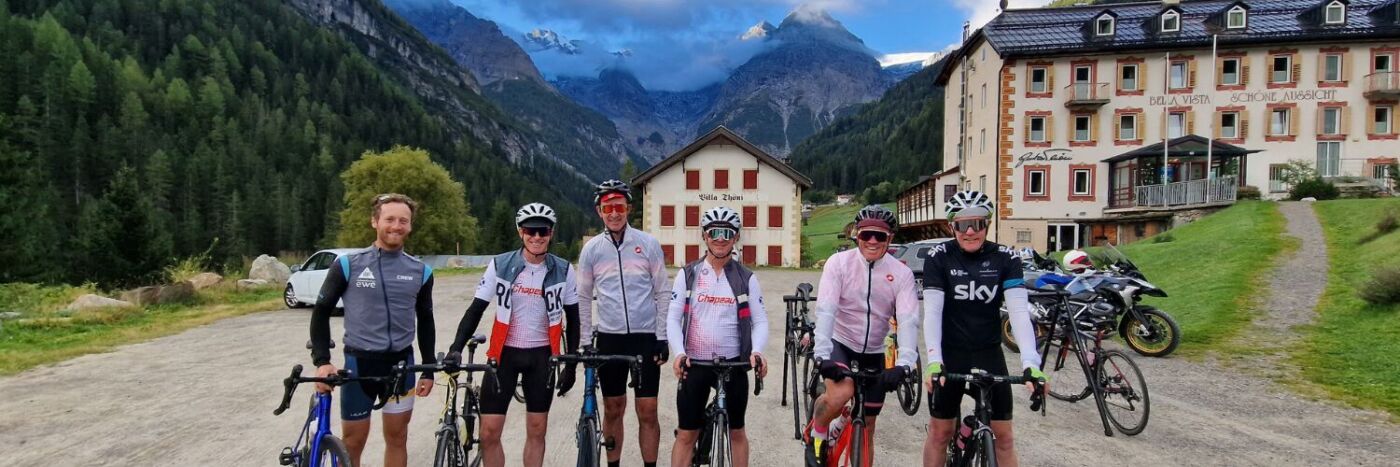
If you’re unsure where to start, have a chat with the team at Chapeau Cycles. They’ve taken part in numerous Adventurous Ewe cycling challenges over the years and know just how important comfort, fit and safety are when you’re spending long days in the saddle. Whether you’re preparing for your first charity ride or a multi-day cycling adventure overseas, they’ll help you find a helmet that fits properly and suits the type of riding you’ll be doing.
Frequently Asked Questions
Do I need an expensive bike helmet?
Not necessarily. Any helmet meeting recognised safety standards provides a good level of protection. More expensive models generally offer improved ventilation, lower weight, better adjustment systems and additional technologies such as MIPS.
How tight should a bike helmet be?
It should feel secure without causing discomfort. When fastened correctly, the helmet shouldn’t move independently when you shake your head.
Can I use the same helmet for road and gravel cycling?
Yes. Many helmets work perfectly well across both disciplines. If you’re mainly riding mixed terrain, a gravel-style helmet offers an excellent balance between comfort and protection.
Can I take my bike helmet on an overseas cycling adventure?
Absolutely. In fact, many experienced cyclists prefer travelling with their own helmet because they already know it fits correctly and feels comfortable over long distances.
Ready for your next cycling adventure?
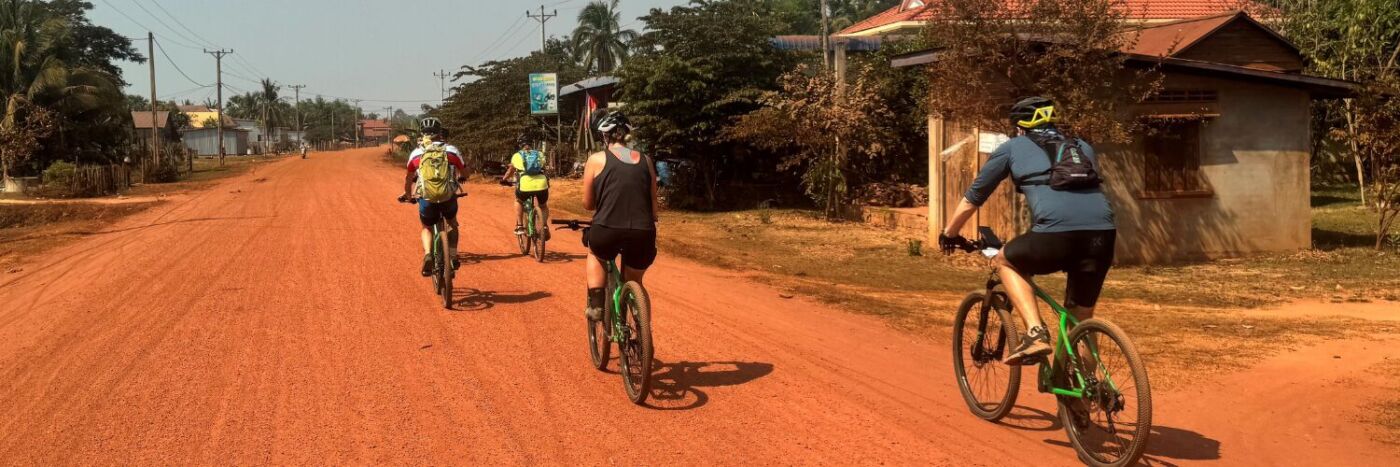
Whether you’re cycling through the rice paddies of Vietnam, crossing Costa Rica from coast to coast or training for your next charity ride, choosing the right helmet is one of the simplest ways to improve both comfort and confidence on the bike.
The best helmet isn’t necessarily the most expensive or the lightest. It’s the one that fits properly, meets recognised safety standards and feels comfortable enough that you forget you’re wearing it.
When you’re confident in your kit, you can spend less time thinking about your helmet and more time enjoying the road ahead.