Onsen Etiquette: A First-Timer’s Guide to Japan’s Most Relaxing Tradition
Everything you need to know before taking your first dip in a Japanese hot spring.
There are few experiences that capture the spirit of Japan quite like soaking in an onsen.
Imagine sinking into naturally heated mineral-rich waters as steam drifts through cedar forests, snowflakes settle on your shoulders, or mountain peaks glow in the evening light. It’s peaceful, restorative and deeply woven into Japanese culture.
For many first-time visitors though, the thought of stepping into an onsen can feel a little daunting.
Do I wear a swimsuit?
What if I have tattoos?
Am I going to accidentally break a rule?
The good news is that onsen etiquette isn’t about memorising dozens of rules. It’s simply about respecting a tradition that has brought people together for centuries.
Here’s everything you need to know to enjoy your first onsen with confidence.
What is an Onsen?
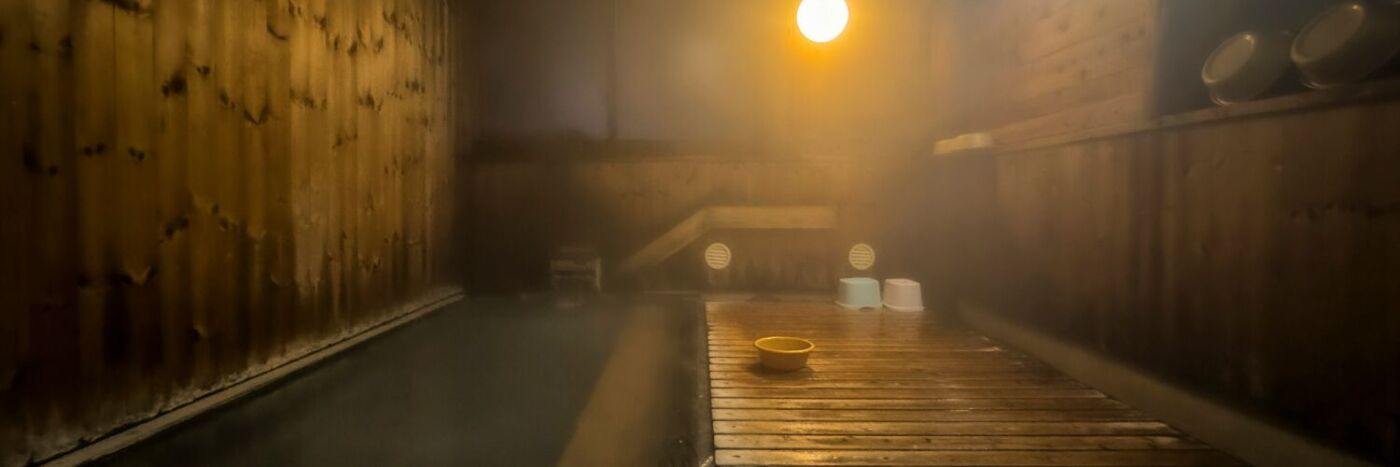
An onsen is a natural hot spring fed by geothermally heated mineral water. Thanks to Japan’s volcanic landscape, there are thousands of onsen across the country, ranging from remote mountain pools and riverside baths to elegant ryokan inns and contemporary spa resorts.
Japanese people don’t simply visit an onsen to wash. They go to relax, unwind, recover after hiking, spend time with family and friends, or simply enjoy a peaceful moment surrounded by nature.
If you’re joining one of our self-guided adventures in Japan, there’s a good chance you’ll have the opportunity to experience several different onsen along your journey.
Why Onsen Etiquette Matters
Unlike many western spas, an onsen is considered a shared space built on trust and consideration for others.
The etiquette isn’t there to make visitors feel uncomfortable.
It’s there so everyone can enjoy clean water, peaceful surroundings and complete relaxation.
Once you understand a few simple customs, you’ll quickly realise there’s nothing intimidating about the experience.
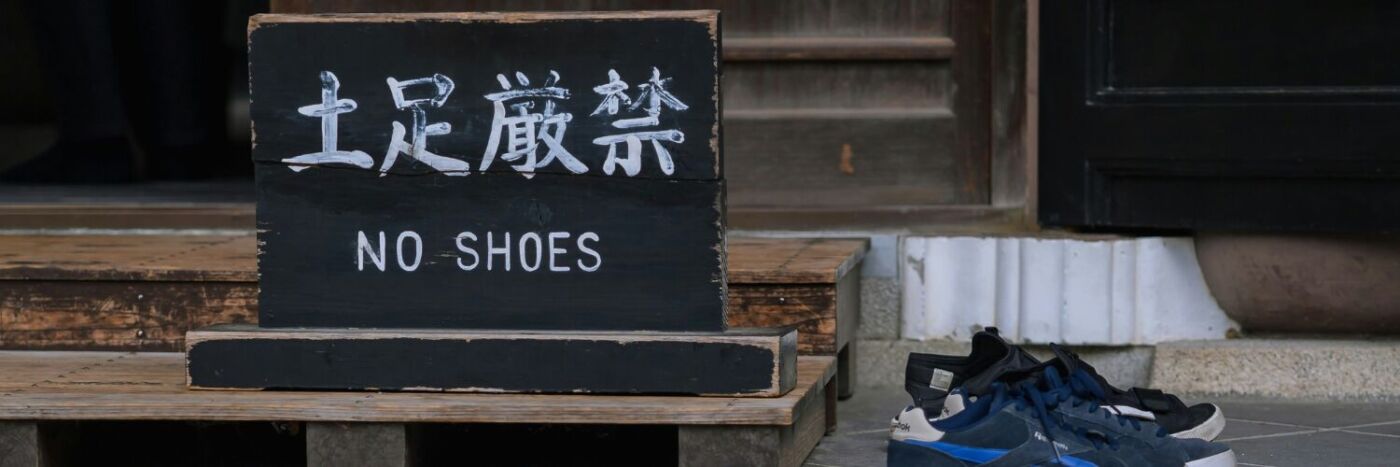
Step 1: Leave Your Shoes at the Entrance
Like many places in Japan, shoes stay outside.
You’ll usually place them in a locker before entering the changing rooms.
You’ll then head to the changing area marked:
- Blue curtain (男) – Men
- Red curtain (女) – Women
Most public onsen are separated by gender.
Step 2: Undress Completely
This surprises many first-time visitors.
Traditional onsen are enjoyed completely nude.
Swimwear isn’t normally permitted because it’s considered less hygienic and prevents the mineral-rich water from coming into direct contact with your skin.
Don’t worry, everyone else is in exactly the same position.
After a minute or two, you’ll discover nobody is paying attention to anyone else.
Many facilities provide a small modesty towel which you can carry while walking to the baths.
Step 3: Wash Thoroughly Before Entering
This is the most important rule of all.
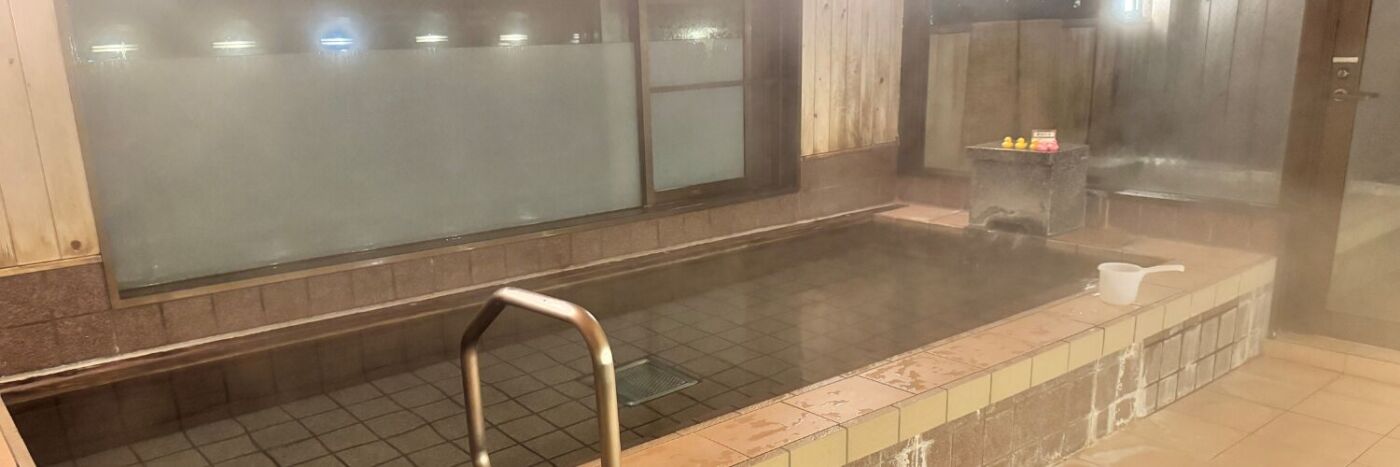
Before entering the hot spring, you’ll sit at one of the shower stations and wash your body thoroughly using soap and shampoo.
Rinse everything away before stepping into the bath.
Remember:
- Wash yourself completely.
- Rinse away all soap.
- Clean your stool and shower area before leaving.
- Think of the onsen as somewhere to soak, not somewhere to get clean.
Step 4: Enter the Water Slowly
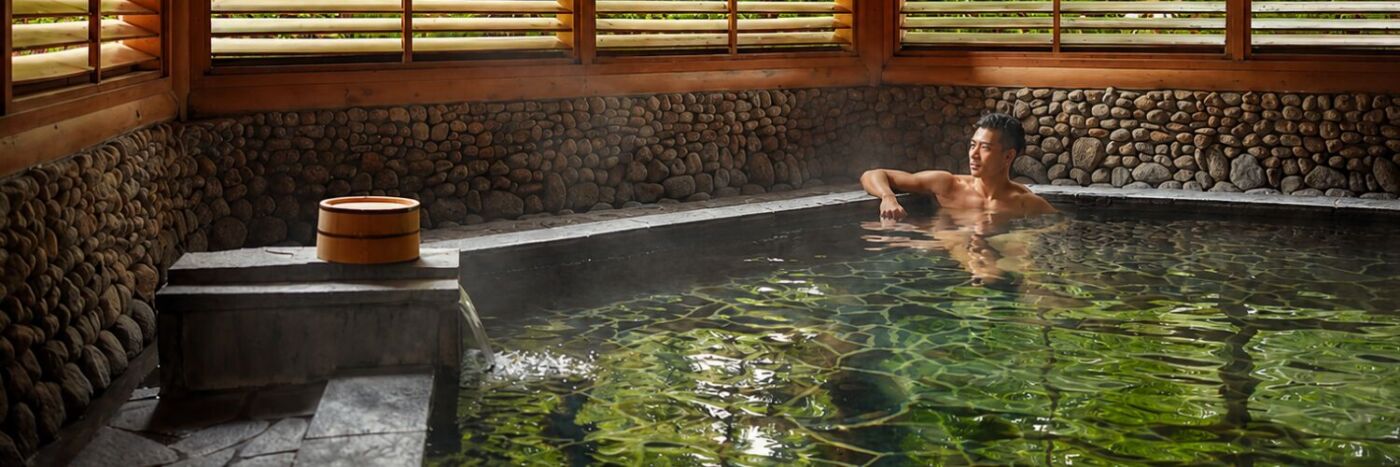
Onsen water is often much hotter than a typical bath, commonly between 38°C and 42°C.
Ease yourself in slowly and allow your body to adjust.
Many experienced bathers enjoy several shorter soaks rather than one long session.
Stay hydrated before and after bathing, and avoid entering immediately after heavy meals or drinking alcohol.
Step 5: Keep Hair and Towels Out of the Water
Only your body should enter the bath.
Keep your small towel folded on your head or beside the bath, never floating in the water.
If you have long hair, tie it up so it doesn’t touch the water.
It’s one of the simplest signs of respect for everyone sharing the bath.
Step 6: Enjoy the Peace
An onsen isn’t a swimming pool.
You’ll notice people speak quietly, or often not at all.
Avoid:
- Swimming
- Splashing
- Loud conversations
- Diving
- Using phones or cameras
Many people visit an onsen specifically for its calming atmosphere, so simply relaxing quietly is part of the experience.
What About Tattoos?
Traditionally, many onsen prohibited tattoos due to their historical association with organised crime in Japan.
Today, attitudes are gradually changing.
Many modern facilities now welcome tattooed visitors, particularly in areas popular with international travellers. Others may allow small tattoos if they’re covered with skin-coloured patches, while some continue to prohibit visible tattoos altogether.
If you have tattoos, it’s worth checking the individual onsen’s policy before visiting.
Many ryokan also offer private baths that can be reserved, making them a wonderful option if you’re unsure.
Outdoor Onsen: One of Japan’s Greatest Experiences
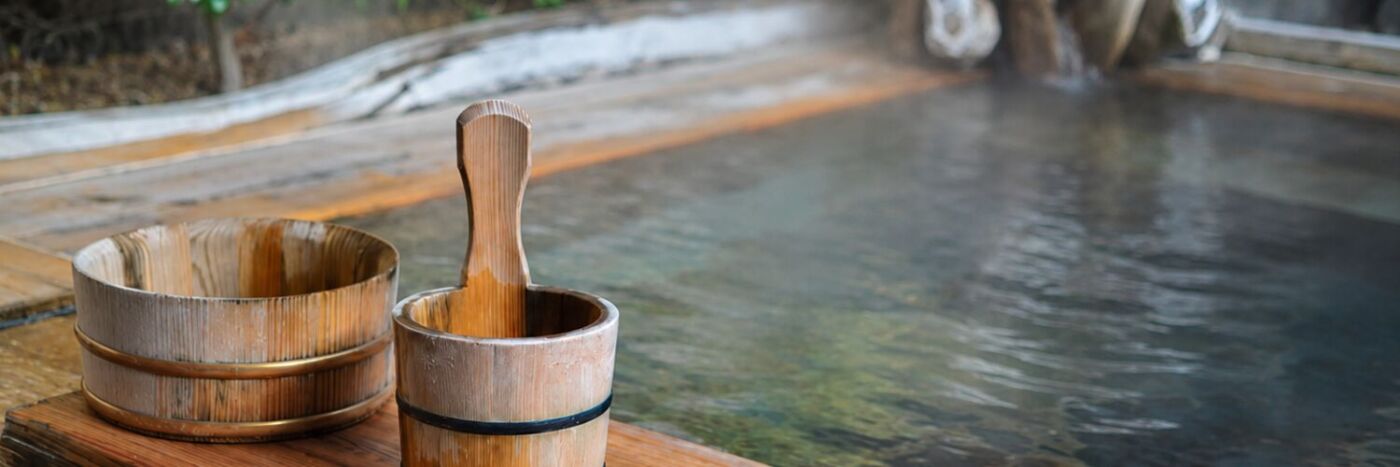
If you only visit one onsen during your trip, make it an outdoor bath.
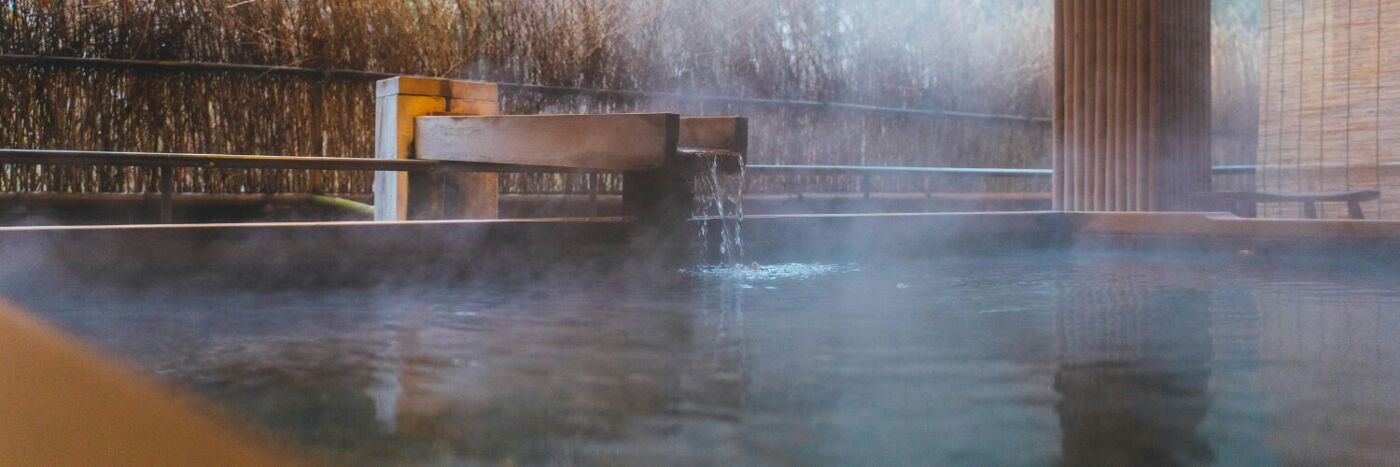
Known as rotenburo, these open-air hot springs often overlook forests, rivers, mountains or snow-covered landscapes.
After a rewarding day’s walk along the Kumano Kodo, Nakasendo or another of Japan’s spectacular trails, there’s something magical about watching the evening mist rise while warm mineral water eases tired legs.
It’s one of those moments you’ll remember long after you’ve returned home.
A Few Helpful Tips
Before your visit:
- Take a small towel.
- Remove jewellery if possible.
- Drink plenty of water.
- Tie long hair up.
- Leave valuables safely locked away.
- Check tattoo policies before arriving.
Common First-Time Worries
“Everyone will stare at me.”
They won’t.
Onsen are incredibly normal in Japan. People are there to relax.
“What if I make a mistake?”
As long as you’ve washed beforehand and are respectful, you’ll be absolutely fine.
Japanese hospitality is wonderfully understanding of visitors making an honest effort.
“Can I wear a swimsuit?”
Usually no.
Traditional public onsen are enjoyed without swimwear. If you’re uncomfortable with this, many accommodations offer private family baths that can be reserved.
More Than Just a Bath
An onsen is one of those experiences that often becomes an unexpected highlight of travelling in Japan.
It’s not simply about warm water.
It’s about slowing down.
Listening to the wind in the trees.
Watching steam drift across the mountains.
Feeling your legs recover after a rewarding day on the trail.
Sharing a tradition that has brought comfort, wellness and connection to generations of Japanese people.
The first few minutes may feel unfamiliar.
The last few minutes will probably leave you wondering why every country doesn’t have something quite like it.
A Moment to Look Forward To
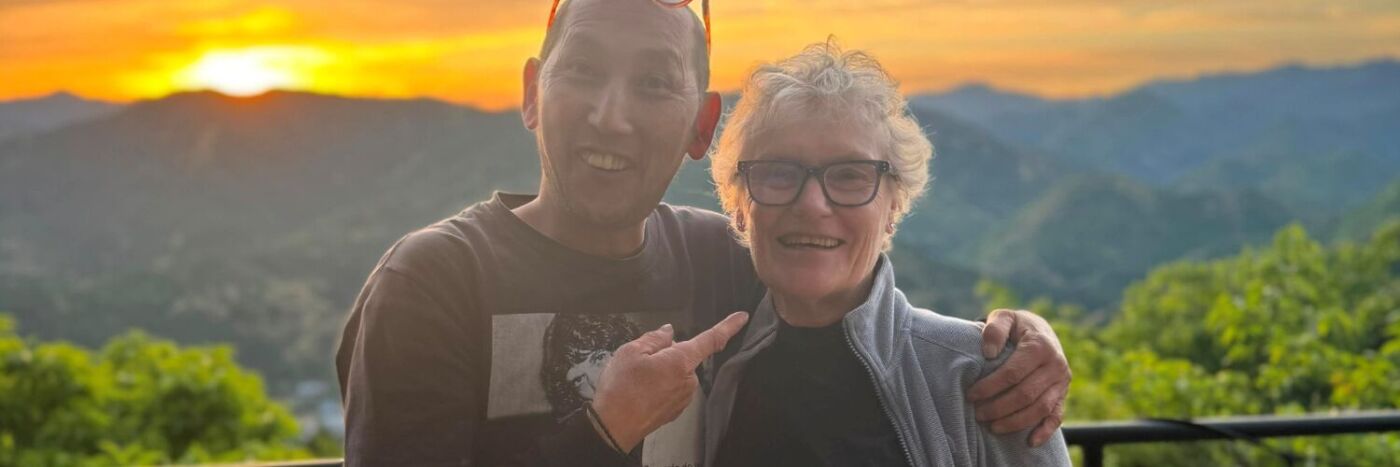
Once you’ve experienced your first onsen, you’ll quickly understand why it’s often remembered as one of the highlights of a trip to Japan. It’s more than soothing tired muscles after a day on the trail. It’s a chance to slow down, reflect and simply be present.
One of our travellers, Anne, summed it up beautifully after staying at a traditional ryokan in the Kiso Valley:
“I’m loving the ryokan in Kiso (Daikisen). Dinner was amazing, as was the onsen, so I’m all relaxed, ready to sleep and consider my options for tomorrow.”
It’s a lovely reminder that some of the most memorable moments in Japan aren’t always the famous temples or iconic viewpoints. Sometimes they’re found soaking in steaming mineral waters, enjoying an exceptional local meal and ending the day feeling completely at peace.
Experience Japan at Your Own Pace
Our self-guided walking adventures in Japan give you the freedom to discover ancient pilgrimage trails, welcoming mountain villages and unforgettable cultural experiences including the chance to soak in traditional onsen along the way.
We’ll arrange your accommodation, help you with luggage transport recommendations, book your train tickets, and provide detailed route notes, leaving you free to immerse yourself in the journey.
Some of the most memorable moments in Japan aren’t found in the guidebooks.
They’re found sitting quietly beneath an open sky, surrounded by steam, mountains and the timeless calm of a Japanese hot spring.