Periods, Menopause & Adventure: Your Friendly Guide to Feeling Prepared Outdoors
Whether you’re heading off on a weekend hike in Wales, trekking through the Himalayas, cycling across Vietnam, or camping beneath Arctic skies, one question quietly sits in the back of many people’s minds…
“What if I get my period?”
If you’ve ever worried about how you’ll manage your period outdoors, you’re certainly not alone. In fact, it’s one of the most common concerns people have before an adventure, especially if it’s their first multi-day trek or expedition.
The good news? Thousands of people successfully hike, climb, cycle, kayak, snowshoe and explore incredible places every single day while on their period. With a little preparation, it doesn’t have to stop you enjoying the adventure you’ve been looking forward to.
At Adventurous Ewe, we believe adventures should feel welcoming, supportive and inclusive. So let’s have an honest chat about something that’s completely natural.
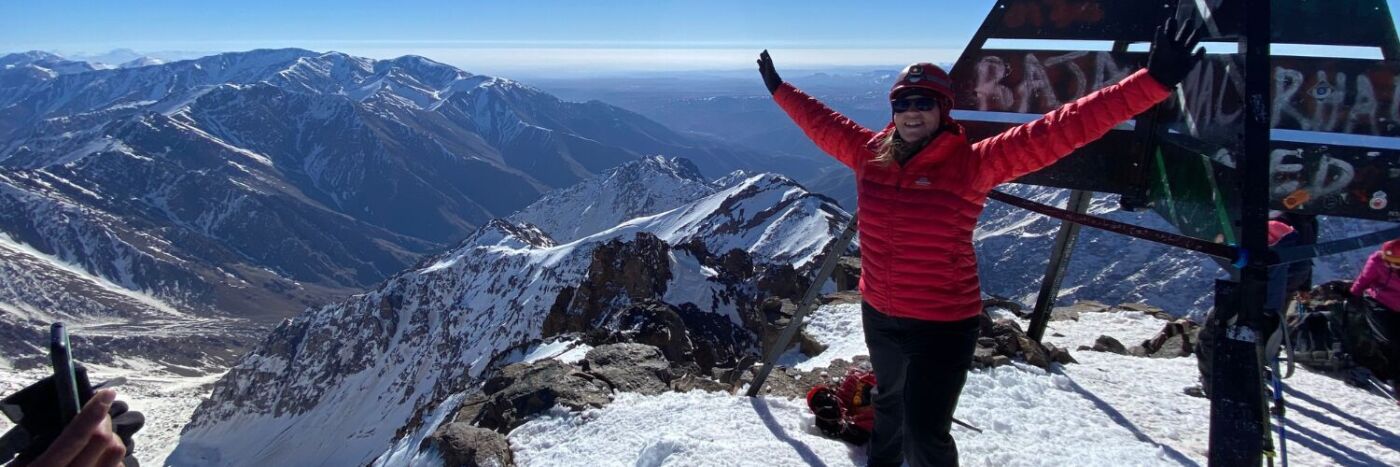
First things first… don’t let it stop you
Periods can sometimes feel unpredictable. You might worry about cramps, finding somewhere private, carrying supplies, or simply feeling uncomfortable.
Those feelings are completely understandable.
But having your period doesn’t mean you can’t reach a summit, complete a long-distance trail or take on the adventure of a lifetime. In fact, many people discover they’re far more capable than they imagined.
Some days you may feel full of energy. Other days you may choose to slow your pace a little, take an extra snack break or spend a few more minutes enjoying the view.
That’s okay too.
Adventure isn’t about pretending you’re superhuman. It’s about listening to your body and enjoying the journey.
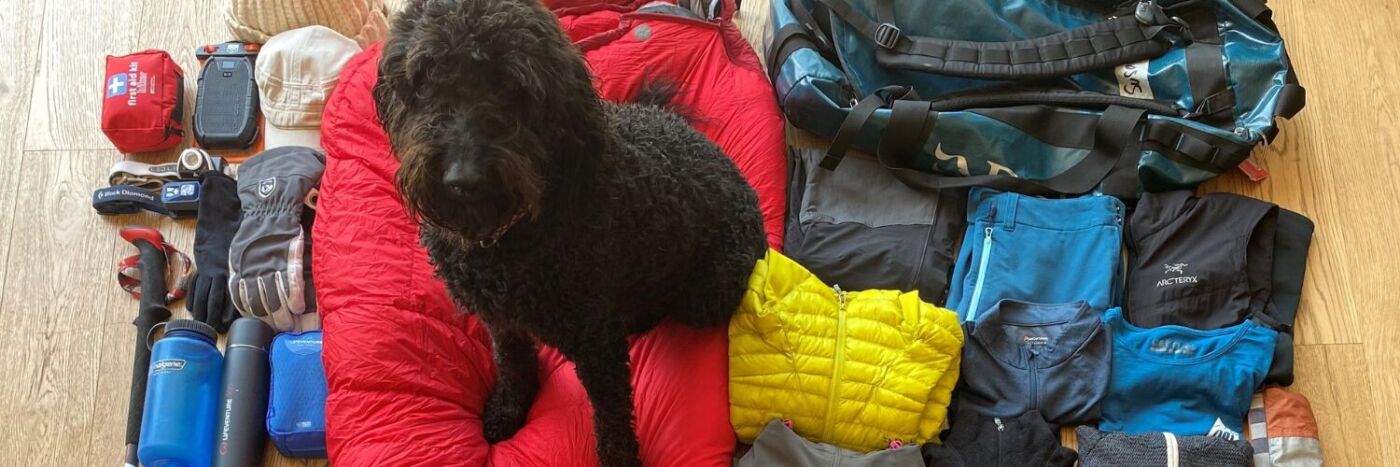
Plan ahead for peace of mind
Just as you’d prepare your waterproofs, walking boots and snacks, it’s worth spending a few minutes thinking about your menstrual care before you travel.
Everyone is different, so choose whichever products you already know and trust. This might include:
- Tampons
- Sanitary pads
- Menstrual cups
- Menstrual discs
- Period underwear
- A combination of the above
If you’re considering trying something new, such as a menstrual cup or period pants, it’s best to practise using them well before your trip rather than for the first time on a mountain or remote trail.
Create a small period kit
One of the easiest ways to feel confident is to keep everything together in a lightweight waterproof pouch.
Your kit might include:
- Your preferred menstrual products
- Hand sanitiser
- Biodegradable soap (where appropriate)
- Toilet tissue
- A small trowel if travelling somewhere that requires one
- Reusable wet bag or sealable waste bags
- Pain relief if you normally use it
- Spare underwear
- A pair of disposable gloves if you prefer
Having everything in one place means you’re never searching through your backpack when you need something.
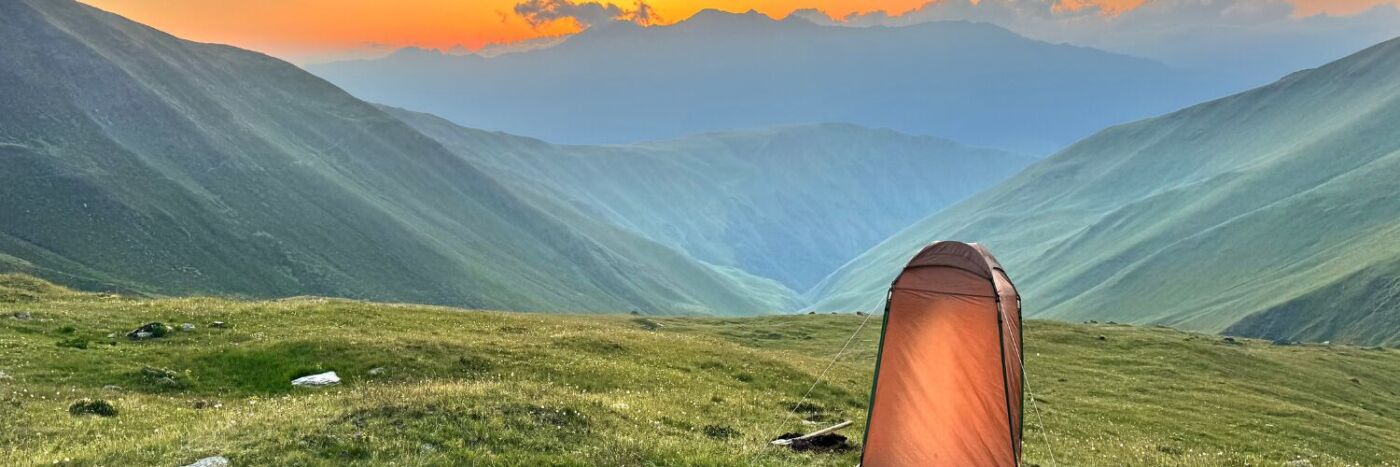
What happens when there aren’t any toilets?
This is often the question people worry about most.
On many adventures you’ll have access to toilets at accommodation, mountain huts or visitor facilities. On more remote treks, however, you’ll sometimes need to manage things in nature.
It may feel daunting at first, but after the first time, most people realise it’s much easier than they expected.
The key things are:
- Find a private spot away from the trail.
- Wash or sanitise your hands before and afterwards.
- Follow local guidance and Leave No Trace principles.
- Pack out all used menstrual products rather than burying them.
A small opaque waste bag inside a waterproof pouch works brilliantly and keeps everything discreet until you can dispose of it properly.
Staying comfortable on the trail
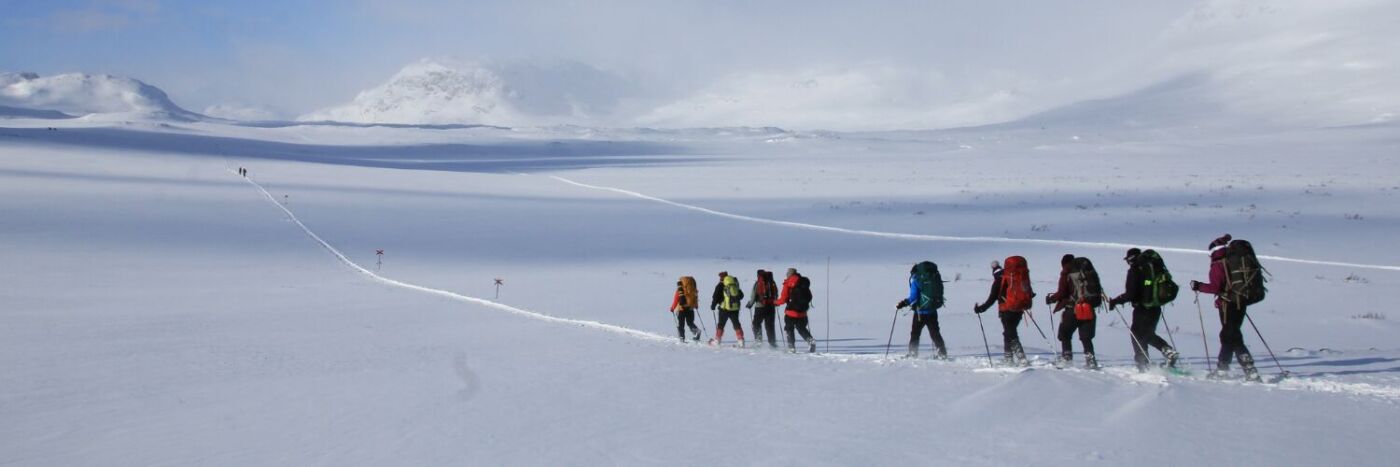
Long days outdoors can actually help many people feel better during their period.
Gentle exercise has been shown to reduce cramps, improve circulation and lift mood. Walking, swimming and cycling can all help relieve discomfort for many people.
A few other things that can make a real difference include:
- Stay well hydrated.
- Eat regular snacks to maintain your energy.
- Wear comfortable, breathable clothing.
- Keep warm if you’re prone to cramps.
- Listen to your body and rest when you need to.
There’s no prize for pushing through when you’re feeling awful. Looking after yourself is part of looking after your adventure.
What if I need to tell my Guide?
Please don’t ever worry about this.
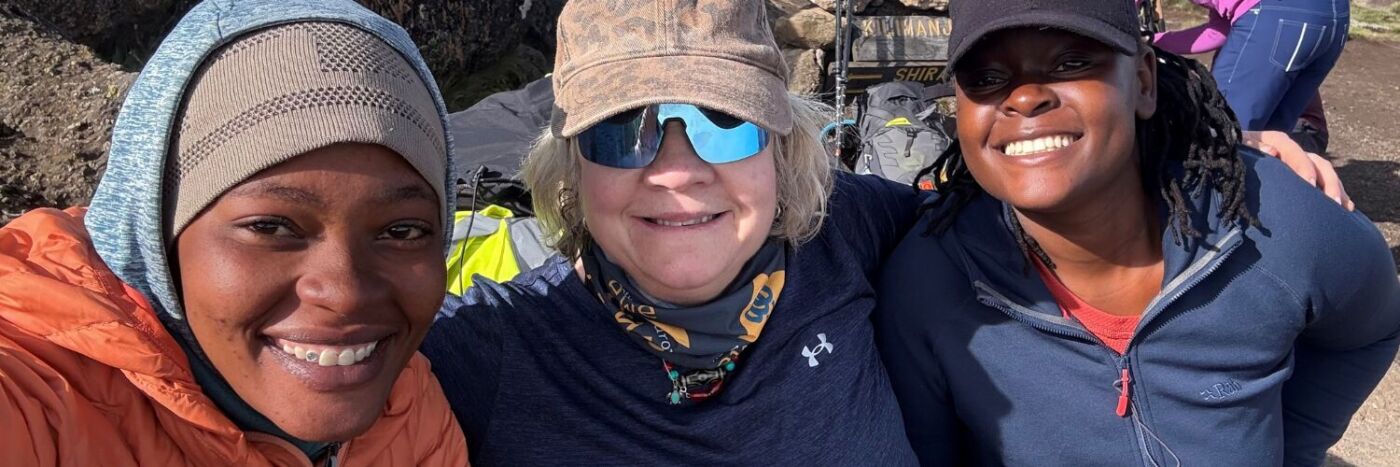
Our Guides have supported people through everything from unexpected periods and forgotten supplies to blisters, altitude headaches, upset stomachs and much more.
Periods are simply another normal part of life.
If you need an extra comfort break, some pain relief, a slightly slower pace, or simply someone to know what’s going on, just tell your guide.
Your wellbeing will always come before the itinerary.
One of the things we’re most proud of is creating an environment where people feel comfortable asking for help when they need it.
Can I still swim?
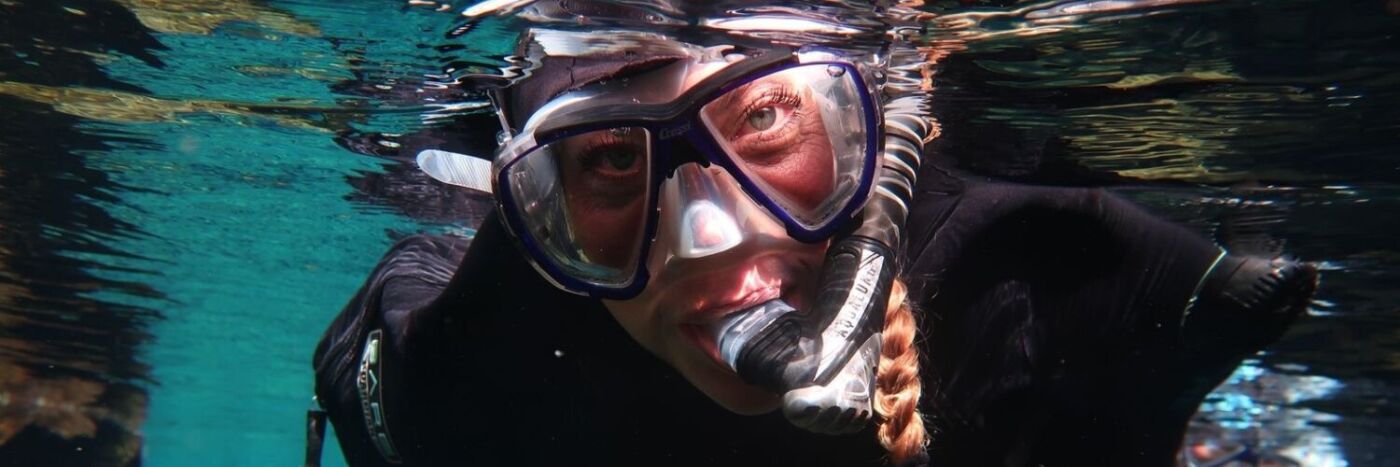
Usually, yes. If your itinerary includes wild swimming, kayaking, paddleboarding or other water-based activities, many people choose to use a tampon or menstrual cup.
As always, use whichever product you’re most comfortable and experienced with.
Periods at Altitude
If you’re heading to higher elevations, such as Kilimanjaro, the Everest region or the Andes, it’s worth knowing that altitude can sometimes affect your menstrual cycle.
Some people find their period arrives a little earlier or later than expected, while others notice their flow is lighter, heavier or more irregular for that cycle. It’s thought that these changes are more likely to be influenced by the combined effects of altitude, increased physical exertion, travel, changes in routine, jet lag and weight changes, rather than altitude alone.
The reassuring news is that current research shows being on your period does not increase your risk of Acute Mountain Sickness (AMS), and there is no evidence that a particular stage of your menstrual cycle affects how well you acclimatise.
Our advice is simple: if you’re trekking at altitude, pack enough menstrual products for your entire adventure (plus a few extras), stay well hydrated, eat regularly and don’t be surprised if your cycle behaves a little differently. Every body responds differently, and temporary changes are usually nothing to worry about. If you experience unusually heavy bleeding, severe pain or anything that concerns you, speak to your guide and seek medical advice.
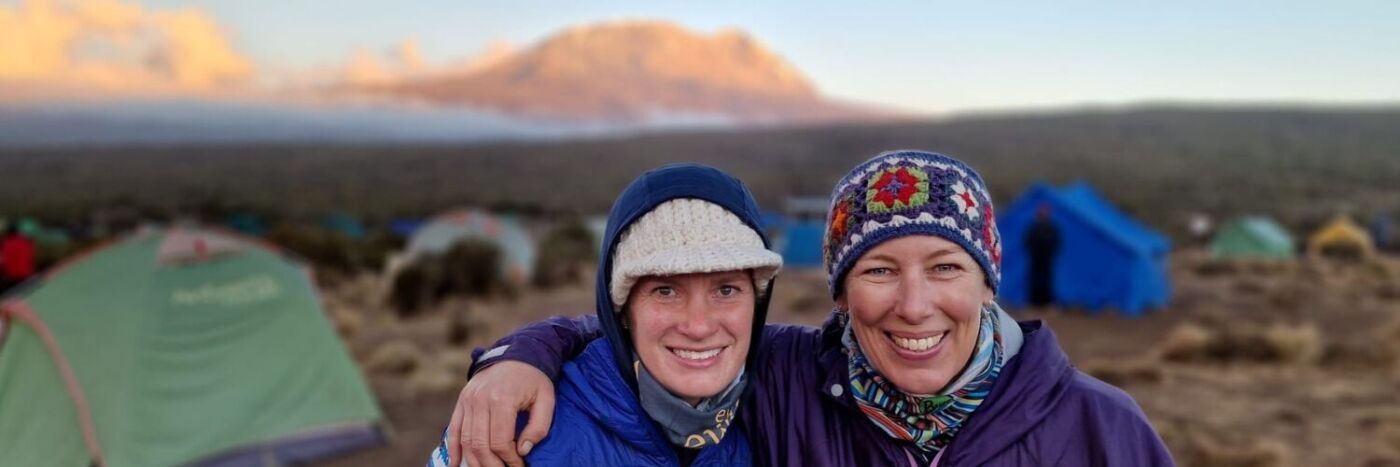
Menopause and Adventure
Adventure certainly doesn’t stop with menopause. In fact, many of our travellers take on their biggest challenges during this stage of life, from trekking to great heights in Nepal and Kilimanjaro to exploring the Arctic, taking on a brand-new activity such as cycling and beyond.
If you’re peri-menopausal or post-menopausal, it’s worth thinking ahead about the symptoms you know you experience, whether that’s hot flushes, night sweats, changes in temperature regulation or disrupted sleep. Layering your clothing, staying well hydrated and allowing yourself time to rest and recover can all make a real difference.
One piece of practical advice that many experienced outdoor women share is to pack a small emergency period kit, even if you haven’t had a period for months or even years. During perimenopause, periods can become unpredictable, and while post-menopausal bleeding isn’t expected and should always be checked by a healthcare professional after your trip, having a couple of pads or period underwear tucked away can provide reassurance should the unexpected happen. It takes up almost no space but can offer real peace of mind.
Current research also suggests that menopause itself does not increase the risk of altitude illness in physically fit women. While research is still limited, the advice remains the same as for all trekkers: prepare well, acclimatise gradually, listen to your body and enjoy the journey.
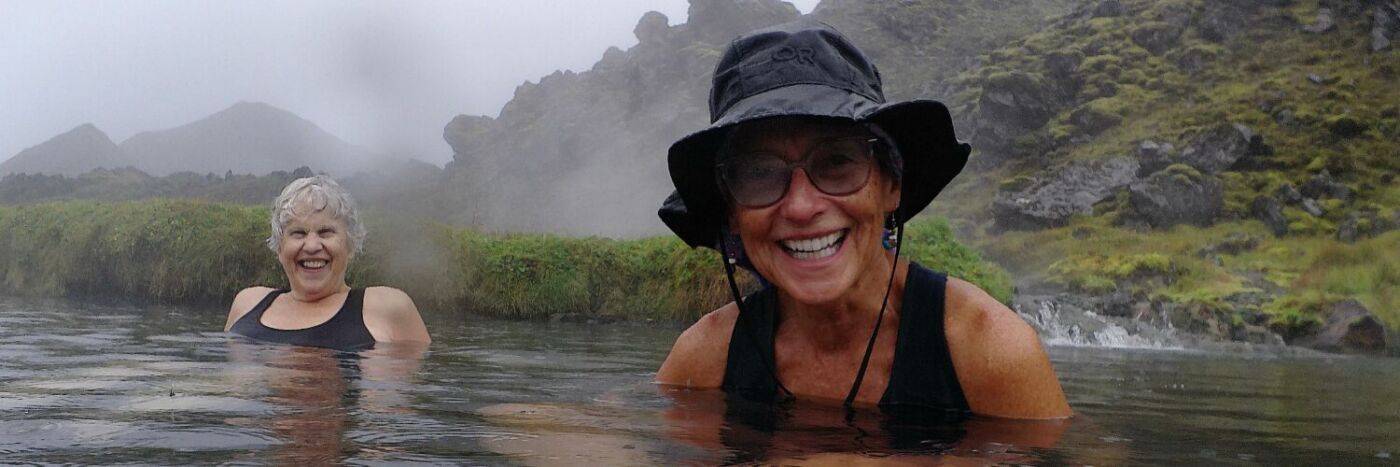
A few simple preparations can make a big difference
If hot flushes are one of your symptoms, dress in lightweight, breathable layers that are easy to add or remove throughout the day. Moisture-wicking clothing can help keep you comfortable, and carrying a lightweight buff or cooling towel can provide welcome relief in warmer climates. If night sweats affect your sleep, consider packing lightweight sleepwear and, where practical, a small quick-drying travel towel. Good quality sleep, regular hydration and eating little and often can all help you feel at your best during active days.
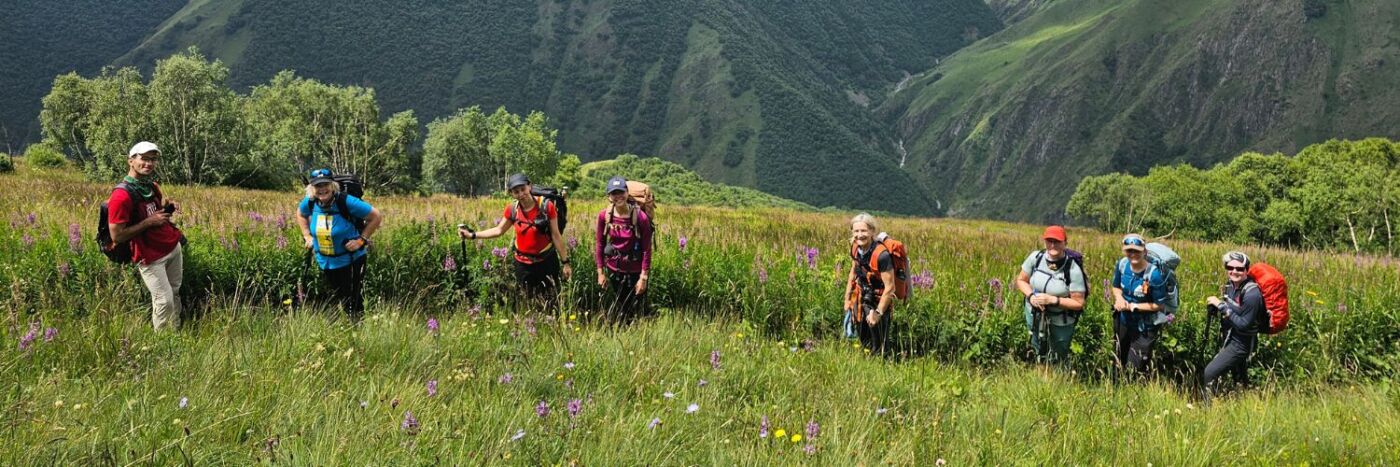
Don’t forget your medication
If you use Hormone Replacement Therapy (HRT) or any other prescribed medication, make sure you pack enough for your entire adventure, plus a few extra days in case of travel delays. Keep medications in their original packaging where possible, bring a copy of the prescription and carry them in your hand luggage if you’re flying. If you’re travelling across time zones and use patches, gels or tablets on a schedule, it’s worth speaking to your GP or pharmacist before you travel if you’re unsure how best to adjust your routine.
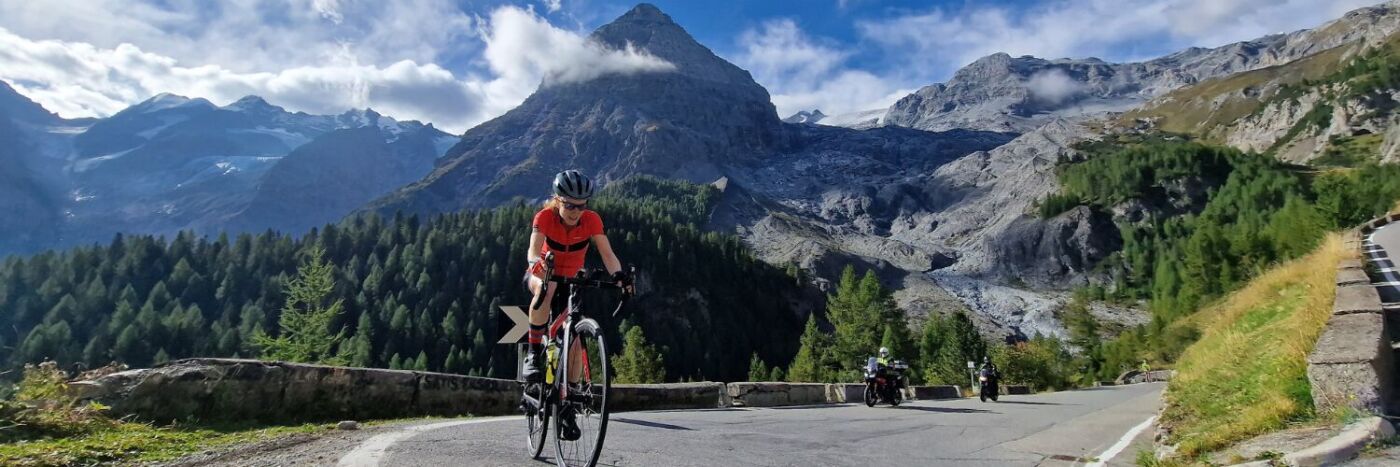
Be kind to yourself
Menopause can be unpredictable. Some days you’ll feel ready to take on every hill in front of you, while on others your energy may be lower than expected. That’s completely normal. Adventure isn’t about competing with anyone else; it’s about enjoying the journey in a way that feels right for you. Taking an extra break, slowing your pace for a while or simply asking your guide for a little extra support isn’t a sign of weakness, it’s good mountain sense.
Travelling overseas
Different countries have different availability of menstrual products.
If you’re travelling somewhere remote, it’s sensible to pack everything you’ll need for the duration of your adventure, plus a little extra in case your cycle changes or your trip is delayed.
It’s one less thing to think about once you’re there.
Let’s help normalise the conversation
One of the biggest barriers isn’t the practical side of periods, it’s the feeling that nobody talks about them.
Thankfully that’s changing.
Organisations across the outdoor industry are working hard to make adventures more inclusive by encouraging open conversations, improving education and helping outdoor leaders better support people who menstruate.
The more we talk about periods, the easier they become to manage, and the fewer adventures people miss because of unnecessary worry.
Our advice? Don’t let your period decide your adventure
Some of the most memorable moments happen when you step outside your comfort zone.
Watching the sunrise from a mountain summit. Sharing stories around a campfire. Crossing a suspension bridge. Reaching the end of a long-distance trail. Seeing the Northern Lights dance overhead.
None of those moments care whether you’re on day one of your cycle or day twenty-one.
Your period is part of you, but it doesn’t define what you’re capable of.
With a little planning, the right kit and a supportive team around you, you can focus on what really matters… the people you meet, the places you discover and the memories you’ll carry home long after the adventure ends.
Thinking about your first or next adventure?
Thinking about your first or next adventure?
If you’re feeling unsure about anything at all, please get in touch with our friendly team.
Whether it’s periods, menopause, kit, fitness, accommodation or simply choosing the right adventure, we’re always happy to chat. No question is too small, and we’d much rather help you feel confident before you travel.
Many of our office team have first-hand experience of the adventures we offer, as well as navigating periods on the trail and managing the challenges of menopause during remote expeditions. That means the advice and reassurance you’ll receive comes from real, lived experience as well as years of helping others prepare for their own adventures.
After all, big adventures should begin with excitement, not worry.